EuroSoTL 2025 Collaborative Writing Groups (ESCWG)
Applications must be submitted by January 15, 2025 at 6:00 PM (GMT).Notification of Acceptance: Participants will be notified by January 22, 2025.

Welcome to the EuroSoTL 2025 Collaborative Writing Groups (ESCWG)
We are thrilled to invite scholars from around the world to join the EuroSoTL 2025 Collaborative Writing Groups (ESCWG), a unique opportunity to engage in meaningful academic collaboration and develop scholarly articles that align with the conference theme: Making Connections through the Scholarship of Teaching and Learning (SoTL).
The ESCWG are convened by Professors Earle Abrahamson and Dawne Irving-Bell and supported by Chris Ostrowdun
Earle Abrahamson

Earle, a founding committee member of EuroSoTL, has extensive experience in collaborative writing, having led and participated in ISSOTL writing groups. Born in South Africa, he has worked across diverse cultural, institutional, and international contexts to inspire learning. Earle founded the Sports Mentoring Project to promote social justice, inclusion, and student confidence, gaining national and international recognition. His leadership in teaching excellence earned him Principal Fellowship of Advance HE, an ISSOTL fellowship, and a National Teaching Fellowship. In 2023, he became the first professor in SoTL at the University of Hertfordshire.
Dawne Irving-Bell
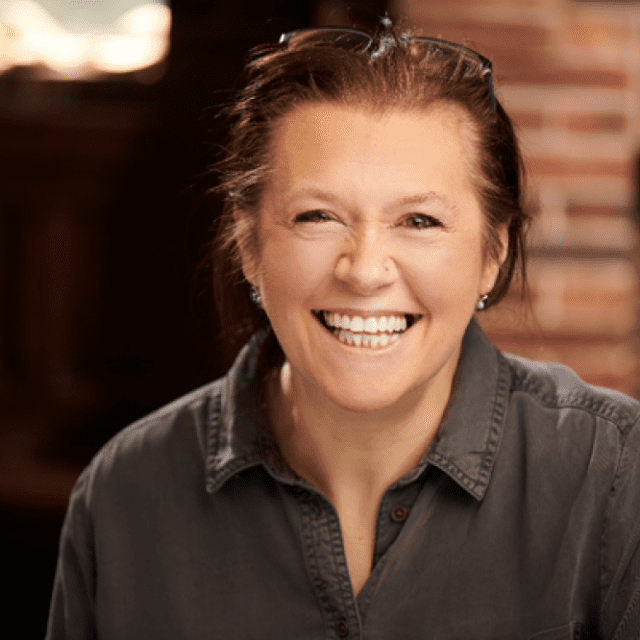
Dawne, with experience in secondary, further, and higher education, is passionate about inspiring students to reach their full potential. She believes effective learning stems from positive relationships with students, starting with excellent teaching. Dedicated to advancing the Scholarship of Teaching and Learning (SoTL), she founded The National Teaching Repository, an Open Educational Resource with global impact. Dawne is a National Teaching Fellow (NTF), Principal Fellow of the Higher Education Academy (PFHEA), and has received the Collaborative Award for Teaching Excellence (CATE).
Chris Ostrowdun
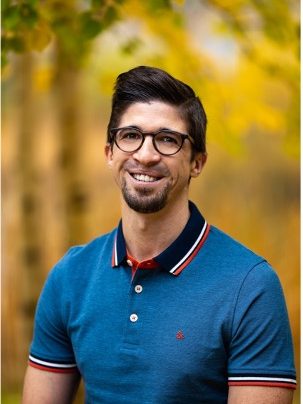
Chris is a Lecturer in Education at Leeds University (UK). His research focuses on the scholarship of teaching and learning, inclusive education, disability studies, and equity in higher education. Using sociocultural and critical theories, he examines student and educator experiences to design equitable educational practices. His interdisciplinary, international work intersects with fields like STEM, arts, and learning spaces, employing approaches such as design-based research and discourse analysis.
Group Topics
Each of the six ESCWGs will focus on a unique aspect of SoTL, and we encourage you to carefully review the group descriptions before applying. You will need to select your preferred groups (1st and 2nd choice) as part of the application process. Below, you will find detailed information about each group and its objectives.
Group 1: Exploring Journeys of Becoming in SoTL
Facilitator: Dr. Kerry Dobbins (UK)
This group focuses on the personal journeys of SoTL practitioners, exploring how individuals connect to and integrate SoTL in diverse ways. The writing will focus on storytelling to enhance understanding and inspire positive change in higher education.
Group 2: Critical Use of Pedagogical Literature by Non-Traditional HE Teachers
Facilitator: Prof. Leila Ferguson (Norway)
This group investigates how non-traditional teachers critically engage with pedagogical literature. Through international collaboration, it aims to bridge the gap between theory and practice, offering insights into academic development and mentorship.
Group 3: Decoding and Disrupting the Disciplines
Facilitator: Prof. Peter Riegler (Germany)
This group contributes to the Decoding Wiki and journal, aimed at making Decoding work more accessible. It invites scholars from all disciplines to collaborate on disrupting academic norms and expanding inclusive educational practices.
Group 4: Contextual Influences on SoTL Support
Facilitators: Rik Vangangelt & Svenne Groeneweg (Netherlands)
This group explores how institutional and individual contexts influence SoTL engagement. It seeks to understand how departmental cultures, career policies, and disciplines shape SoTL practices, aiming to innovate support structures across diverse educational settings.
Group 5: Hope Circuits in Action
Facilitator: Prof. Jessica Riddell (Canada)
This group explores using SoTL to build resilience, sustainability, and social connection in education. It focuses on addressing global challenges like climate resilience and digital adaptation through interdisciplinary collaboration, empowering educators and learners to create a more interconnected future.
Group 6: Connecting Digital Accessibility to SoTL
Facilitator: Dr. Lisa Hatfield (US)
This group examines how digital accessibility impacts learning environments. Participants will explore strategies to make education more inclusive and equitable, sharing experiences and insights on fostering accessible connections between content, faculty, and peers.
Group Structure and Expectations
We will host six collaborative writing groups, each led by an expert facilitator with deep knowledge of SoTL and a strong publication record. These groups will meet remotely over the course of 2025, with an in-person writing day scheduled for June 17, 2025, in Groningen, The Netherlands. After the writing day, participants will attend the EuroSoTL 2025 Conference, where they will continue collaborating and share insights.
Each group will consist of a maximum of 6 participants, ensuring a focused and supportive environment. The groups will work on finalizing their articles, which are expected to be submitted between January and March 2026.
What’s Expected of Participants?
Participants should be ready to engage fully in the collaborative writing process, including:
- Remote collaboration: Participate in regular online meetings and discussions with group members and facilitators throughout 2025.
- In-person writing day: Attend the in-person writing day in Groningen on June 17, 2025.
- Contribution to the article: Actively contribute to the writing process, sharing insights and research, and helping to shape a cohesive scholarly article.
- Final submission: Work towards submitting the completed article between January and March 2026.
Participant Commitment
Please carefully review the following participant expectations before applying:
- Full Process Commitment: You must commit to working remotely with your group, attending the in-person writing day, and participating in the EuroSoTL conference.
- Collaborative Work: This is a collaborative effort, and your active participation will be key to the success of the group.
- Article Submission Timeline: The collaborative writing process will run from January to June 2025, and the article will be submitted by March 2026.
Self-Funding Requirements
At present, participants are responsible for covering their own travel, conference fees, accommodation, and any associated costs. Please review the EuroSoTL website for further information about conference fees and accommodation options.
How to Apply
To apply for the ESCWG, please complete the Call for Participant form linked below. In the form, you will be asked to select your 1st and 2nd preferences for the writing group you wish to join. While we cannot guarantee placement in your first choice, we will do our best to ensure a fair distribution of participants across all groups.
Application Deadline: January 15, 2025
Participants will be notified of their acceptance by January 22, 2025. If accepted, you will be required to provide written confirmation of your commitment to the full process. Click the link to access the call for participation – Call for Participants
About the ESCWGs
The ESCWGs are designed to bring together scholars from diverse disciplines, backgrounds, and experiences in the Scholarship of Teaching and Learning (SoTL). This collaborative writing initiative aims to foster meaningful connections and share insights that can influence teaching and learning practices globally. Each group will focus on a specific aspect of SoTL, with participants working alongside experienced facilitators to develop an article suitable for submission, typically to Teaching & Learning Inquiry or another prominent academic journal.